Bookcase shelf height matters as much as the unit’s overall dimensions. Plan the clear opening each shelf needs, then match the layout to the way you use the bookcase.
Measure the tallest item in each group
Measure books, binders, storage boxes and display pieces upright, including any handles or feet. Compare those measurements with the clear opening between shelves—not just the advertised outside height. Leave a little room to lift items in and out.
Check how adjustable shelves move
Adjustable shelves make it easier to change the layout later, but the available positions depend on the pin-hole spacing and the unit’s construction. Check the manufacturer’s stated range and shelf-load guidance before planning a tall or heavy stack.
Give mixed storage its own zones
Grouping similar items helps avoid wasted gaps: reserve one taller opening for binders or baskets, and use shorter openings for paperbacks. If the shelf positions are fixed, sketch the openings against your items before choosing the unit.
Plan display space and access
Frames, ornaments and plants may need extra vertical clearance, and frequently used books are easier to reach at comfortable heights. Keep the items you use most within easy reach rather than filling every opening to the top.
Use the safety instructions
Load shelves within the manufacturer’s limits and secure tall furniture to the wall as instructed. Check for skirting boards and the actual internal shelf depth too; our bookcase depth guide covers that separate fit issue.
Browse bookcases and shelving, and compare each model’s stated internal dimensions and shelf positions before ordering.
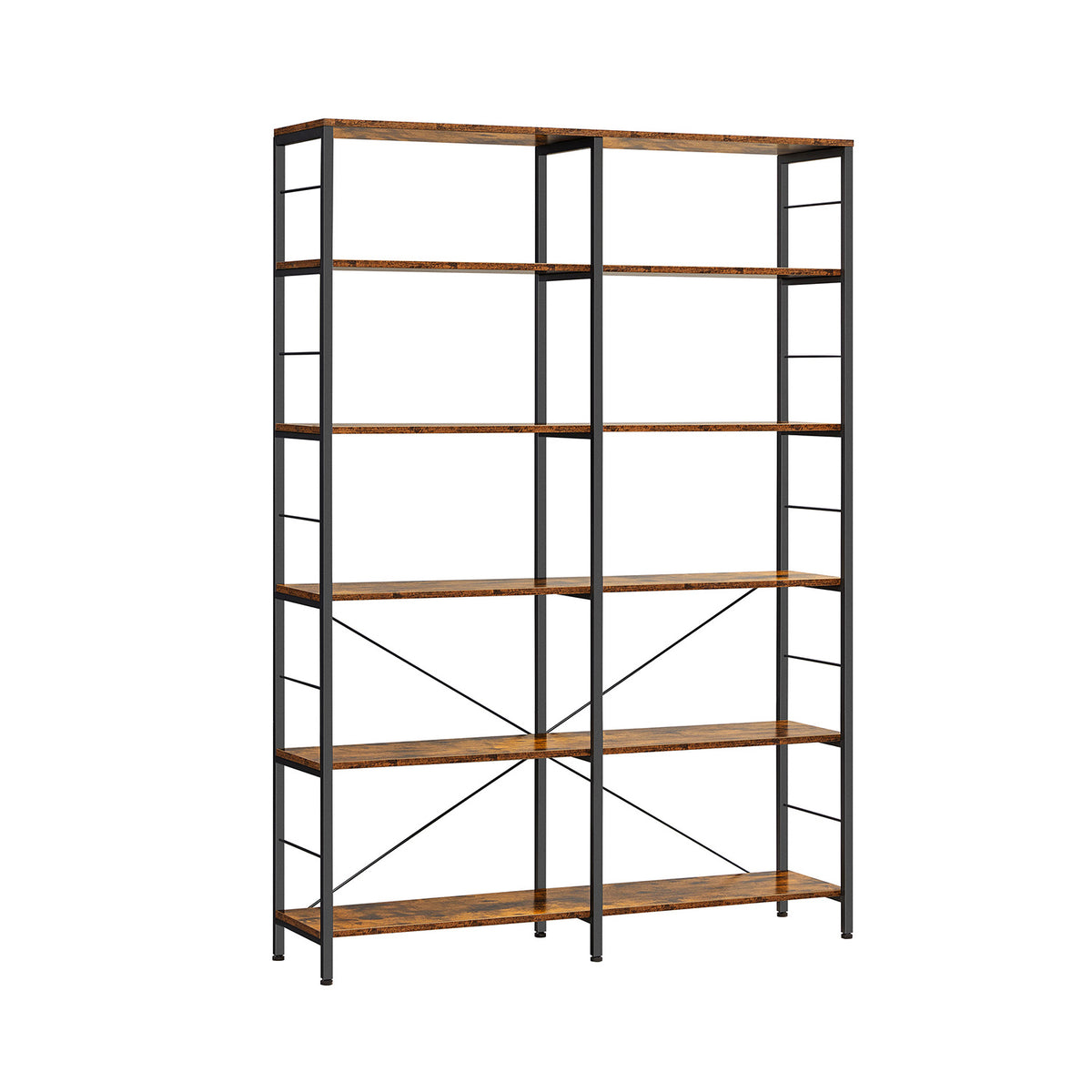
For a specific six-tier example, see the VASAGLE UKLLS114B01 bookshelf. The current product record lists 30 × 120 × 172.5 cm; confirm the dimension order, selected variant and shelf openings against the manufacturer details.